Are You Overlooking Critical Risks by Skipping Fire Safety Services in NJ?
Written By:
OLD Bridge Fire District 3
Published By:
May 29, 2026
Read time:
5 min
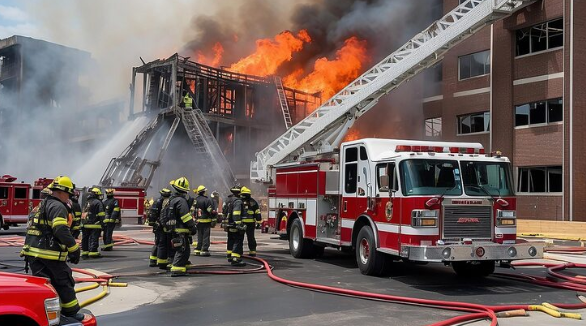
Smoke detectors collect dust over time. Sprinkler systems develop corrosion inside pipes. Alarm batteries slowly lose power after years of use. Electrical panels also develop wiring problems inside older buildings. Failed inspections may also create occupancy problems for businesses and landlords.
However, skipping fire safety services in NJ creates serious risks for businesses and residential properties. Fire systems require inspections and maintenance over time. Small equipment failures often remain hidden until emergencies begin.
The National Fire Protection Association reports thousands of structure fires every year across the United States. Commercial fires continue causing billions in yearly property damage. Poor maintenance and electrical failures remain common fire causes.
Reliable fire protection services in NJ help reduce these risks before emergencies create property damage and business disruption. This blog explains the risks of skipping fire inspections and fire protection services across New Jersey properties.
What Happens When Fire Systems Miss Regular Inspections?
Over time, fire safety setups tend to weaken when checks happen too infrequently. Dust and damp air creeping into structures can dull smoke sensor reactions, especially once they’ve sat collecting years of grime.
Common Problems Found During Inspections
- Blocked Sprinkler Heads
Dust and grease buildup reduce water flow during emergencies. Weak sprinkler performance allows flames to spread faster across ceilings and walls.
- Weak Alarm Batteries
Alarm systems rely on backup power during electrical failures. Old batteries reduce response reliability during fire emergencies and evacuation situations.
- Damaged Electrical Wiring
Overloaded circuits and damaged breakers generate heat behind walls. Older buildings often contain outdated electrical components that increase fire risks.
- Failed Emergency Lighting
Emergency lighting systems require routine testing. When smoke fills a building or the lights go out, moving through hallways can turn tricky. Stairwells grow harder to pass as visibility drops without power or clear air.
- Low Extinguisher Pressure
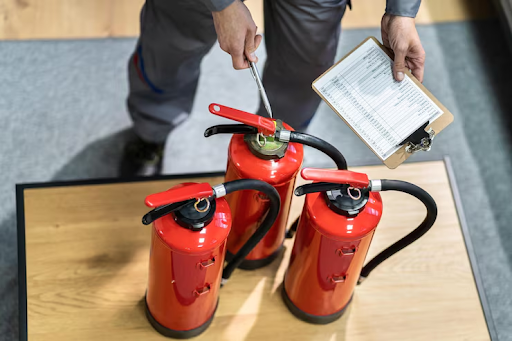
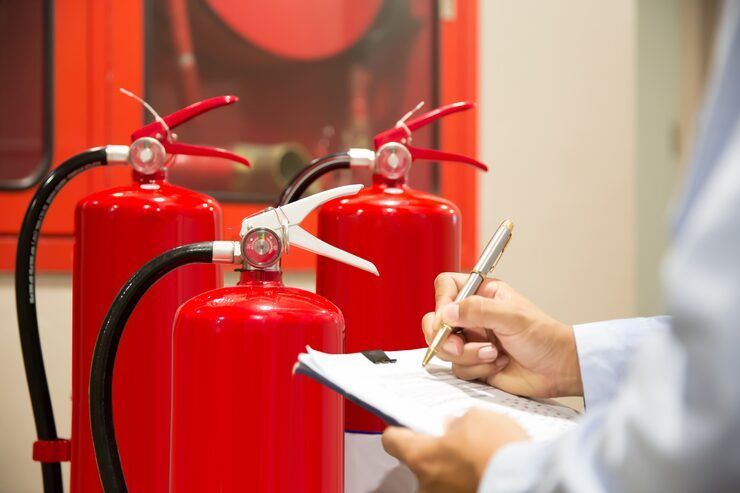
Portable extinguishers may appear ready for use while internal pressure continues dropping. Equipment failure during emergencies increases property damage and occupant risk.
Routine maintenance helps identify these issues before equipment stops working. A professional fire safety inspection in NJ helps reduce hidden hazards across residential and commercial properties.
Hidden fire hazards inside your building?
How Do New Jersey Fire Codes Affect Commercial Properties?
Fire code compliance changes across municipalities throughout New Jersey. State regulations establish general requirements. Local inspectors may enforce additional standards depending on occupancy type and building usage.
- Restaurants and warehouses follow different inspection requirements. Failed inspections may delay occupancy approvals or create fines.
- Commercial properties face stricter oversight because larger occupancy levels increase emergency risks. When smoke fills a building or the lights go out, moving through hallways can turn tricky.
- Stairwells grow harder to pass as visibility drops without power or clear air. Proper industrial fire safety in NJ helps reduce risks inside these properties.
- Tenant turnover may trigger updated fire code requirements. Some buildings require new alarms or suppression systems before occupancy approval.
Professional service providers understand changing regulations and local inspection procedures. Many businesses also depend on reliable fire alarm services in New Jersey for ongoing building safety.
How Does Fire Damage Affect Businesses After An Emergency?
Fire damage creates problems far beyond burned walls and smoke. Businesses lose equipment and daily operations after commercial fire incidents.
Smoke damage spreads quickly through ventilation systems into offices and storage areas. Water damage from sprinklers and firefighting operations creates additional repair costs across flooring and electrical systems.
Financial Problems Businesses Face After Fires
- Operational Shutdowns
Businesses may stop operating for weeks or months after severe fire damage. Lost operations create revenue loss and customer disruption.
- Inventory Losses
Retail stores and restaurants lose products during fire incidents. Smoke contamination also damages inventory that flames never reached.
- Equipment Replacement Costs
Commercial kitchens and machinery require full replacement after fires and water exposure.
- Insurance Claim Delays
Missing inspection records and incomplete maintenance reports create delays during claim investigations and payout reviews.
- Reputation Damage
Customers and tenants often question building safety after visible fire emergencies. Some businesses struggle to regain public confidence after incidents.
Effective fire protection systems in NJ help reduce operational disruption and property damage before emergency risks arise.
Fire Safety Planning Ensures Lasting Protection?
A single alarm won’t handle everything when flames spread fast. Over months, upkeep tasks pile up just as training needs do. Machines wear down while people forget steps unless reminded often. Some equipment no longer meets current fire code standards. Property owners may require upgrades to improve safety and inspection compliance.
Important Parts of a Fire Safety Plan
- Routine Equipment Inspections
Regular inspections help identify damaged alarms and emergency lighting failures before emergencies happen.
- Employee Fire Training
Staff members should understand evacuation procedures and extinguisher usage before dangerous situations develop inside the building.
- Updated Evacuation Routes
When alarms sound, people inside must see marked ways out. Lights above doors guide workers and guests alike. Paths stay unblocked, so movement stays quick. Signs point toward doors that open easily.
- Maintenance Documentation
When fires happen, having inspection reports plus service logs makes it easier to handle compliance checks and insurance paperwork. These documents back up what happened during audits or claim processes afterward.
- Emergency Response Preparation
Besides storing dangerous substances, sites using heavy machinery must prepare more thoroughly for crises. When accidents strike, quick communication between teams becomes critical.
Final Thoughts
Most fires hit harder when alerts were ignored before. The equipment works poorly if checked too late. Trouble builds quietly till big damage shows up. Every now and then, checking things closely can catch small dangers hiding out of sight. When something goes wrong later, having logs on file makes it easier to show what happened. Proper fire safety maintenance in NJ means machines are less likely to fail without warning. Fewer surprises down the road often come from steady upkeep done right.
Every day brings another chance to keep homes safe, guided by the Board of Fire Commissioners, Old Bridge Fire District 3, Township of Old Bridge. Instead of waiting, efforts spread into classrooms and neighborhoods through fire safety lessons.
Concerned about hidden fire hazards inside your commercial property?
FAQs
What do fire safety services in NJ typically include?
The Board of Fire Commissioners, Old Bridge Fire District 3, Township of Old Bridge, provides everything from inspections to emergency planning support. These services help reduce fire risks across residential and commercial properties while improving building safety and emergency preparedness.
How often should fire safety inspections be conducted in New Jersey?
Inspection schedules depend on occupancy type and building size. Commercial facilities and higher-risk properties usually require more frequent evaluations. A routine fire safety inspection in NJ helps identify equipment problems before emergencies create property damage or operational disruption.
Are fire safety services mandatory for commercial buildings in NJ?
Commercial buildings across New Jersey must follow local fire codes and state safety regulations. Many properties require inspections and evacuation planning before occupancy approvals. The Board of Fire Commissioners, Old Bridge Fire District 3, Township of Old Bridge, also supports safer fire protection systems in NJ across commercial properties.
What is the cost of hiring fire safety services in NJ?
Service costs depend on property size and inspection requirements. Preventive maintenance usually costs less than emergency repairs after major fire incidents occur. Many businesses also rely on professional fire alarm services in New Jersey for ongoing building safety support.
How can I choose the right fire safety provider in New Jersey?
Look for providers with inspection experience and understanding of local fire code requirements. Review certifications and maintenance services with community involvement before making a decision. The Board of Fire Commissioners, Old Bridge Fire District 3, Township of Old Bridge, also supports reliable fire safety maintenance in NJ through inspections and fire prevention programs.