Fire Sprinkler Maintenance for Small Businesses: Ensuring Safety and Compliance
July 23, 2024
fire sprinkler

As a small business owner, providing a safe and secure environment for your employees and customers is your top priority. One of the most crucial aspects of fire protection within a commercial establishment is the proper maintenance of fire sprinkler systems. These life-safety systems play an essential role in detecting and suppressing fires, safeguarding your property from the devastating consequences of a fire outbreak. Moreover, adhering to fire code regulations is vital in ensuring the continued success and public reputation of your business.


In this blog post, we will explore the importance of regular fire sprinkler maintenance for small businesses, understand the components of a well-functioning sprinkler system, and learn how to ensure compliance with fire codes and regulations. With a comprehensive approach to fire protection and insight from our experts, small business owners can confidently focus on growth and success while maintaining a secure and compliant environment for all stakeholders.


We believe that proactively working towards enhanced fire protection within the commercial sector is key to safeguarding our community members and their livelihoods. Through regular maintenance, proper inspections, and consistent compliance with fire codes, we can create a prosperous and resilient local business ecosystem. Join us on this journey of knowledge-sharing and collaboration, so together, we can create a safer environment for small businesses, supporting entrepreneurship, and fostering a vibrant community for everyone.


Importance of Regular Fire Sprinkler Maintenance for Small Businesses


Understanding Fire Sprinkler Systems: Key Components and Functions


To adequately maintain a fire sprinkler system, small business owners must first understand its key components and functions. The primary elements of a functioning fire sprinkler system include:


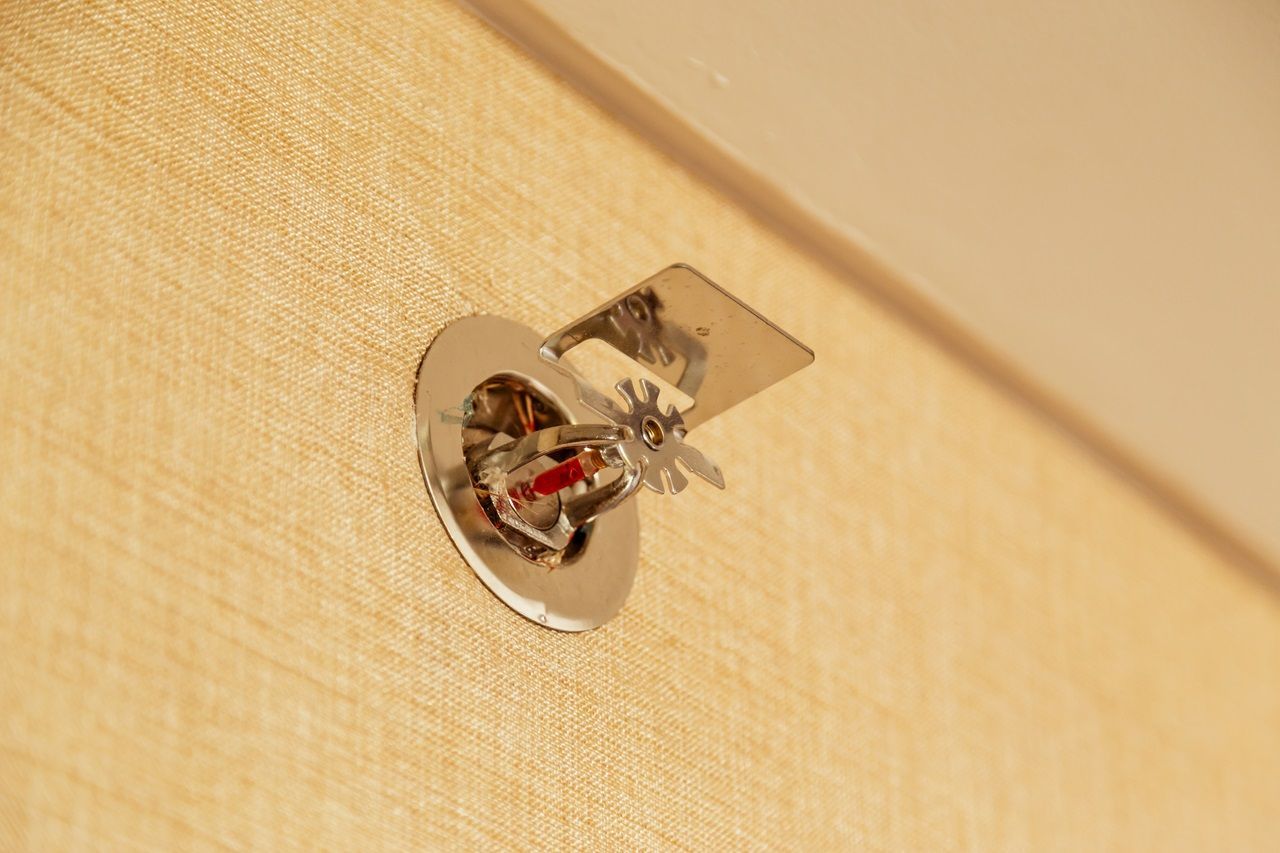
1. Sprinkler heads: These devices are designed to activate when exposed to a specific temperature, releasing water to suppress the fire.


2. Control valves: These are responsible for managing water flow within the system and must be readily accessible and unobstructed.


3. Piping: The pipe network, typically made of steel or plastic, carries water through the system to distribute it efficiently during a fire event.


4. Alarm system: This component alerts both occupants and emergency responders to the presence of a fire.


Regular Maintenance: Why It Matters


Consistent fire sprinkler maintenance is vital for small businesses for several reasons:


1. Life safety: Regular maintenance ensures that your sprinkler system will be ready to respond in case of a fire, protecting the lives of your employees and customers.


2. Property protection: A well-maintained sprinkler system minimizes property damage by suppressing fires before they can spread throughout your business.


3. Legal compliance: Small businesses must comply with local fire code regulations, which typically include guidelines on sprinkler system maintenance.


4. Insurance requirements: Many insurance providers require businesses to maintain their fire protection systems to receive coverage or avoid policy disputes following a fire incident.


Mandatory Inspections: Meeting Fire Code Requirements


To comply with fire code regulations, routine inspections of your fire sprinkler system are mandatory. Small business owners should familiarize themselves with the following inspection timelines:


1. Monthly: Visually inspect control valves, ensuring they are correctly positioned, accessible, and free from leaks or damage.


2. Quarterly: Schedule professional inspections to evaluate alarm devices, hydraulic nameplates, and other critical system components.


3. Annually: Arrange for comprehensive yearly inspections, including assessing sprinkler heads, pipes, antifreeze solutions, and other system elements.


4. Five-year interval: Undergo a comprehensive internal inspection assessing the system's pipes and valves for any signs of corrosion or blockages.


Working with Fire Protection Professionals: Ensuring Compliance and Reliability


Partnering with dedicated fire protection professionals can offer numerous benefits to small business owners, including:


1. Expertise: These professionals have the knowledge and experience to detect and resolve potential issues in your fire sprinkler system.


2. Equipment: Fire protection companies have specialized tools and resources to perform comprehensive system evaluations accurately and efficiently.


3. Compliance: Partnering with professionals ensures your business remains compliant with fire code regulations and reduces potential legal liabilities.


4. Peace of mind: Delegating sprinkler system maintenance to experts gives small business owners the confidence to focus on what truly matters – their business.


The Role of Technology in Fire Sprinkler System Maintenance


In today's digital age, technology plays an increasingly significant role in enhancing the maintenance and functionality of fire sprinkler systems. By leveraging modern advancements, small business owners can ensure their fire protection measures are more efficient, reliable, and easier to manage. Here's how technology can aid in fire sprinkler system maintenance:


1. Automated Monitoring and Alerts:


  • Remote Monitoring: Advanced fire sprinkler systems can now be integrated with remote monitoring technology, allowing business owners and fire protection professionals to oversee the system's status in real-time. This ensures any issues are promptly identified and addressed.
  • Smart Sensors: Smart sensors within the system can detect potential problems such as leaks, pressure drops, or blockages. These sensors automatically send alerts to designated personnel, enabling immediate action to prevent system failures.


2. Maintenance Scheduling Software:


  • Digital Logs: Maintenance scheduling software helps keep detailed digital logs of all inspections, tests, and maintenance activities. This ensures that no maintenance task is overlooked and provides a comprehensive history of the system's upkeep.
  • Automated Reminders: Business owners can set up automated reminders for scheduled inspections and maintenance tasks. This helps ensure timely compliance with fire code regulations and reduces the risk of missed inspections.


3. Enhanced Diagnostic Tools:


  • Thermal Imaging: Thermal imaging cameras can be used to detect temperature variations within the sprinkler system, identifying potential hotspots or malfunctions that might not be visible to the naked eye.
  • Ultrasonic Testing: Ultrasonic devices can assess the integrity of pipes and valves, detecting internal corrosion or blockages without requiring invasive procedures.


4. Data Analytics:


  • Predictive Maintenance: Data analytics can be employed to predict when maintenance is needed based on historical data and usage patterns. This proactive approach can prevent system failures and extend the lifespan of the fire sprinkler system.
  • Performance Analysis: Analyzing data from the fire sprinkler system can help identify trends and potential areas for improvement, ensuring optimal performance and compliance with safety standards.


5. Integration with Building Management Systems (BMS):


  • Centralized Control: Integrating fire sprinkler systems with a building management system allows for centralized control and monitoring of all safety and security measures within the premises. This integration facilitates coordinated responses to emergencies and enhances overall building safety.


Conclusion


Regular fire sprinkler maintenance is a non-negotiable aspect of operating a small business, ensuring the safety of all occupants, protecting valuable property, and maintaining compliance with fire code regulations. By understanding the components of a fire sprinkler system, scheduling mandatory inspections, and partnering with fire protection professionals, small business owners can confidently create a secure and prosperous environment for their employees, customers, and the wider community.


At the Board of Fire Commissioners, Fire District 3, Township of Old Bridge, we are committed to collaborating with small businesses in their quest for fire safety and code compliance. Embrace the knowledge and resources provided by our fire department service, and let's work towards a secure, successful business landscape for all.
By Tom Sawyer September 10, 2026
Learn how Old Bridge Fire Department conducts safety checks. Board of Fire Commissioners, Old Bridge Fire District 3, Township of Old Bridge keeps area safe.
August 27, 2026
Protecting a home requires far more than occasionally checking your smoke alarms. Homeowners must understand common household risks while building proactive habits every single day. This article summarizes practical safety steps that residents can adopt from local professionals. By following the operational standards of the Board of Fire Commissioners, Old Bridge Fire District 3, Township of Old Bridge, families can learn how the Old Bridge NJ Fire Department keeps properties safe. Why Is Vigilance Important In Our Homes? Fire hazards usually stem from daily routines rather than unexpected appliances failing suddenly. The Old Bridge NJ Fire Department reminds everyone that staying alert stops fires before they start. Good household safety begins by identifying the risks: Kitchen Safety: Keep dish towels and paper products away from burners. Electrical System Monitoring: Check electrical cords for wear before plugging them in. Route power lines around large decorative area rugs instead. Limit wall outlets and extension cords to safe power loads. Heating Appliance Care: Keep clear open space around all portable space heaters. Store cardboard boxes far away from home furnaces and heaters. By using basic home fire safety tips for residents, homeowners protect their families and property through proactive prevention. Looking for guidance to keep your home safe from local fire hazards? Get In Touch How Can Families Build Strong Emergency Plans? When smoke alarms sound, every second counts to help everyone get outside. A clear plan builds the base for emergency preparedness: Regular Practice Drills: Practice home fire drills twice yearly so everyone knows two exits. Device Maintenance: Use home fire prevention tips such as testing smoke alarms monthly. Moreover, you can replace batteries regularly and keep exit hallways clear. Emergency Kit Preparation: Pack a basic supply bag with fresh water and food items. Keep a flashlight with extra batteries and a first aid kit inside. Utility Shutoff Knowledge: Show adult family members how to turn off gas and main water valves. Store needed tools right beside the main utility switches. What Role Does Fire Prevention Education Play In Safety? Learning basic safety prevents accidental injuries and serious structural property damage. Providing community fire safety education builds neighborly support during local emergencies: Extinguisher Operation Training: Master fire extinguisher operation using the PASS method correctly. Hazard Identification: Identify hidden home dangers like unsafe fuel storage and unclear exits. Early Warning System Care: Test smoke alarms monthly and swap out dead batteries yearly. Joining fire safety education efforts builds a resilient community focused on safety. Regular learning keeps families updated on building codes and protective tools. How Does Our Local Team Serve the Community? The team at Old Bridge Fire District 3 works to keep our neighborhood safe every day. Certified professionals check local buildings on a regular schedule. Owners learn how to follow New Jersey fire rules: Fast Emergency Response: Career and volunteer firefighters move fast when trouble calls. They put out fires and save people in danger. Routine Safety Inspections: Certified workers check local buildings on a regular schedule. Property owners learn how to follow New Jersey fire rules. Community Outreach Programs: Firefighters host easy classes for neighborhood families. Parents and shop owners learn how to stop home fires before they start. Continuous Safety Training: Fire crews practice hard skills all year long. They learn new ways to handle tough jobs. Disaster Readiness: Emergency teams help neighbors during big storms. They clear blocked roads and help families in flooded areas. Our staff relies on proper training and specialized gear to manage emergencies. We maintain high operating standards and train the residents to keep the households secure. Want to strengthen your home emergency plan with expert support? Contact Us What Key Takeaways Help in Fire Prevention? The Board of Fire Commissioners, Old Bridge Fire District 3 , Township of Old Bridge, remains dedicated to protecting our local lives and property. Staying alert and building clear evacuation plans keep our households safe during sudden hazards. Learning practical safety steps allows us to support local readiness efforts across our township. Active safety relies on executing smart home fire prevention tips, starting with smoke detector care across every floor and inside sleeping areas. Our community involvement strengthens overall protection through structured outreach programs. Taking active steps today protects our individual homes and advances overall community safety goals across Old Bridge Fire District 3. FAQs Why is fire prevention important before an emergency occurs? Proac tive fire prevention eliminates dangerous hazards long before ignition occurs. Therefore, taking early action preserves lives while protecting valuable property across the community. Educating citizens to fix safety risks early reduces reliance on emergency response calls. In addition, establishing solid home habits creates a safe living environment a nd prevents costly structural damage during unexpected household incidents. How does a local team help prevent fires? Emergency personnel lower local risks by enforcing building safety codes. Additionally, staff members share practical fire safety tips for residents during community outreach events. Annual checks allow certified inspectors to spot dangerous electrical hazards. However, routine property reviews must occur continuously to ensure all local buildings strictly follow state standards and keep every neighborhood safe year after year. What are the most common causes of residential fires? Unattended cooking mistakes cause most house fires today. Moreover, faulty heating equipment and worn extension cords trigger severe structural blazes. Following proven home fire prevention tips helps occupants correct these hazards immediately. Cleaning grease off stoves removes major fuel sources. Thus, swapping out damaged electrical cords keeps home power systems running safely without sparking unexpected ignitions. How does community training improve public safety? Enrolling in community fire safety education equips neighbors with crucial response skills. Structured instruction builds personal confidence during crises. Local training sessions train residents to operate portable fire extinguishers correctly. Trained citizens quickly put out small fires and safely guide their families outside when seconds count. What essential items should every home have for safety? Installing working smoke alarms on every level keeps families completely safe. Homes also need carbon monoxide detectors alongside versatile multi-purpose fire extinguishers. Families must maintain a detailed written escape plan for total emergency preparedness. Testing detection devices monthly guarantees reliable warnings. Therefore, placing extinguishers near exit routes allows quick action during unexpected household emergencies.
August 27, 2026
Discover how Old Bridge Fire District 3 strengthens local safety through fire prevention, building inspections, community education & emergency tips.
fire extinguisher
July 29, 2026
Prepare for routine evaluation using fire safety services in NJ from the Board of Fire Commissioners, Old Bridge Fire District 3, Township of Old Bridge.
fire department person
July 27, 2026
Follow tips from experts at the fire department in Old Bridge, NJ, with the Board of Fire Commissioners, Old Bridge Fire District 3, Township of Old Bridge.
Firefighter holding a helmet
June 26, 2026
Fire dangers are a big risk to lives, business assets, and buildings. In New Jersey, stopping these dangers requires planning ahead with safety rules, regular equipment checks, and good escape plans. Getting certified fire safety services in NJ makes sure that homes and businesses follow the New Jersey State Uniform Fire Code. This helps stop bad accidents before they even start. This blog shows how finding hazards, fixing tools, and using local rules keep properties safe. It also highlights the important work done by local leaders, including the Board of Fire Commissioners, Old Bridge Fire District 3, Township of Old Bridge, to keep the neighborhood safe and ready. How Do Fire Safety Services NJ Identify and Mitigate Building Hazards? The first way to stop unexpected fire emergencies is to find hazards early through regular safety checks. Common Electrical and Material Risks Bad Electrical Setups: Inspectors check wire boxes and main plugs to make sure they are not overloaded, broken, or fixed incorrectly. Poor Storage of Flammable Items: Regular checks make sure that chemicals, gases, and dangerous items stay in safe boxes away from heat. Blocked Spaces: professionals check that hallways, utility doors, and tool rooms stay clear of trash so people can escape quickly. Following local safety laws sets a good baseline for every kind of property. Through strict Old Bridge fire code enforcement, fire safety experts check utility setups and building weak spots. Want to secure your home or local business for unexpected emergency risks? Contact Our Safety Experts Now What is the Role of Early Detection and Active Suppression Systems? Early alarms and fire tools act as non-stop, automatic shields that stop small fires from growing. High-Grade Suppression Technologies A certified fire protection company in New Jersey installs and services special fire tools. Automatic Fire Sprinklers: These water systems use heat triggers to put out small flames before they can spread across open floors. Advanced Clean-Agent Systems: For rooms with expensive computers and servers, special gases put out fires without using water. Kitchen Hood Systems: Built for big commercial kitchens, these special setups spray wet chemicals to quickly stop hot grease fires. Why is Structured Emergency and Evacuation Planning Critical? Good fire tools must work alongside clear escape plans to keep people safe during a crisis. In dark, smoke-filled rooms, clear paths stop panic and help people walk out in a calm way. Fire safety experts create specific building escape plans. Mapping the Best Escape Paths: Planning shows the shortest ways out of a building. These clear pathways prevent crowded exit doors during emergencies. Bright Exit Signs: Workers check every sign during regular building safety reviews. Strong backup batteries keep exit signs lit during power cuts. Emergency Lights: Strategic lights brighten up dangerous stairwells and hallways. Clear visibility allows people to walk safely through thick smoke. For big office buildings with many businesses or hospitals, special plans are needed. Safety teams set up custom steps, like moving high-risk areas out first. This is very important for medical centers where moving sick patients too fast could cause other health problems. How Do Drills and Training Improve Occupant Crisis Readiness? Safety tools are only useful if people know how to use them. Hands-on practice helps everyone act fast during an emergency instead of freezing up. On-site classes teach staff and residents basic fire safety. Using Fire Extinguishers: Workers learn the PASS method (Pull, Aim, Squeeze, Sweep) to handle the right extinguisher for electrical, chemical, or wood fires. Turning Off Utilities: Training makes sure that key professionals know how to turn off gas and power lines fast to prevent explosions. Clear Communication Plans: professionals get specific jobs, like floor guides, to direct people out and give clear updates to 911 dispatchers. Holding regular fire drills turns safety plans into everyday habits. By practicing fake emergencies, managers can check escape times and fix crowded exits. This regular practice makes sure that during a real crisis, everyone moves fast along the right paths to safety. What Structural Protocols Define Old Bridge Fire Inspections? Local rules are vital for keeping neighborhood safety standards aligned with state laws. Safety stays strong because of specific checks run by the fire department in Old Bridge, NJ. These local field checks prove that stores, apartment buildings, and public spaces follow New Jersey laws. During an official Old Bridge fire inspection, certified inspectors check fire doors and thick safety walls. This check makes sure that firewalls have not been broken by bad utility work, keeping them strong enough to trap flames in one room. Inspectors also check that water valves for sprinklers are locked open and that outside fire hydrants are not blocked by plants or cars. Also, steady fire code enforcement makes sure local businesses keep updated paperwork for all safety tools. This includes checking official tags on fire extinguishers and reviewing yearly service notes for kitchen hoods. Conclusion Stopping fire emergencies takes a mix of fast alarms, smart escape plans, and following safety laws. Working with a certified fire protection company in New Jersey helps owners protect their property and lower their business risks. Consequently, this collective safety framework ensures a safe environment for all occupants. Local fire districts manage these safety steps to keep area buildings aligned with state laws. For residents and business owners in NJ, the Board of Fire Commissioners, Old Bridge Fire District 3 , Township of Old Bridge, offers vital help with safety rules, building checks, and emergency response tools. Is your property fully compliant with the latest New Jersey safety laws? Schedule An Inspection Now FAQs What services are typically included in fire safety services in NJ? Comprehensive fire safety services in NJ include the professional setup and testing of smoke alarms and heat sensors. Furthermore, these companies handle the specialized maintenance of automated fire sprinkler systems. These services also cover kitchen hood safety tags, fire extinguisher checks, and clear building escape plans. For residents in Fire District 3, these key safety jobs are watched over by the Board of Fire Commissioners, Old Bridge Fire District 3, Township of Old Bridge , to ensure full compliance with the New Jersey State Uniform Fire Code. How often should commercial properties schedule fire safety inspections? Commercial buildings need professional fire safety inspections in NJ every single year. Local safety codes require this specific annual schedule. High-hazard factories or big event spaces require quarterly checks. These frequent safety visits manage dangerous building fire loads. We test your automatic building fire tools regularly. Our team updates your emergency backup exit lights. Regular upkeep ensures these life-saving systems work perfectly during crises. Why is fire code compliance important for New Jersey businesses? Following local safety laws avoids expensive fines and legal trouble. Regular Old Bridge fire code enforcement tracking prevents sudden business closures. Up-to-date commercial properties stop dangerous fires from spreading. Safe buildings protect valuable workers and customers from harm. Our team files your official safety compliance papers. This detailed tracking keeps property insurance policies valid. Proactive safety planning lowers long-term business risks. Can fire safety services help reduce emergency response risks? Choosing commercial fire safety services in NJ lowers critical emergency risks. Working building systems help first responders save lives. Early detection alarms send instant alerts to emergency dispatchers. This setup helps firefighters reach the scene right away. Small fires stay small under this system. Clear escape paths protect incoming rescue crews. Updated building maps show utility switches instantly. What are the most common fire hazards found during inspections? An official Old Bridge fire inspection frequently reveals blocked exit doors. Dark or unlit exit signs fail local safety checks. Inspectors find unserviced portable fire extinguishers daily. Extension cords used as permanent wires create shock risks. Overloaded power boxes cause massive building electrical failures. Piles of trash block key building utility rooms. Fixing these problems fast keeps property spaces safe.
fire prevention and code enforcement
June 16, 2026
Discover why fire prevention and code enforcement protect public safety, reduce local business hazards, and save lives through community programs.
fire safety services NJ
May 29, 2026
Learn why fire safety services in NJ matter for homes and businesses with the Board of Fire Commissioners, Old Bridge Fire District 3, Township of Old Bridge.
fire code enforcement in Old Bridge
May 22, 2026
Learn how the Board of Fire Commissioners, Old Bridge Fire District 3, Township of Old Bridge, improves safety through fire prevention & public education.
Fire Prevention
April 29, 2026
Learn about fire rescue services in Old Bridge Township from the Board of Fire Commissioners, Old Bridge Fire District 3, Township of Old Bridge.