Fire Protection Tips for Homeowners: Expert Advice from a Professional Firefighting Team

Tom Sawyer • March 5, 2024
kitchen with smoke alarm

As professional firefighters, we are dedicated to ensuring the safety and protection of our community's citizens and properties. We know that fires can be devastating and life-threatening, but there are steps that homeowners can take to protect their homes and families from the dangers of fire. In this article, we'll share valuable fire protection tips that every homeowner should know, straight from our years of experience in the field.


Fire risk can originate from many sources: cooking accidents, faulty wiring, or even simple human error. Being prepared and aware of potential threats within your home is the key to preventing a dangerous situation from escalating. Fire protection is not just about fire extinguishers and smoke alarms – it also involves understanding how to minimize risk, having an evacuation plan, and knowing what actions to take if a fire breaks out.


We'll begin by discussing the importance of smoke alarms and how to ensure they are properly installed and maintained in your home. Next, we'll delve into the various types of fire extinguishers, helping you understand how to choose the right one for your needs and how to use it effectively in the event of a fire. Additionally, we'll explore topics such as electrical safety, fire hazard identification, and creating a fire escape plan for your family.


While it's impossible to predict when a fire might occur, being proactive in your approach to fire protection can drastically reduce the risk and potential damage a fire may cause in your home. As professional firefighters, our ultimate goal is to keep you and your loved ones safe. We hope that by sharing our knowledge and expertise on fire protection, we can empower homeowners to take the necessary steps to ensure their homes are as safe as possible from the threat of fires.


The Importance of Smoke Alarms


Smoke alarms are a crucial component of any effective fire protection strategy, as they are typically the first line of defense in detecting a fire. Early warning is essential in providing time for you and your family to evacuate the home safely. Consider the following best practices when installing and maintaining smoke alarms:


1. Install smoke alarms on every level of your home, inside and outside bedrooms, and in any other rooms where people sleep.

2. Test your smoke alarms monthly by pressing the test button. Replace batteries annually or when the alarm emits a low-battery warning.

3. Replace smoke alarms every ten years, as the sensors may lose sensitivity over time.

4. Ensure your smoke alarms are interconnected, so when one sounds, they all do.


Choosing and Using Fire Extinguishers


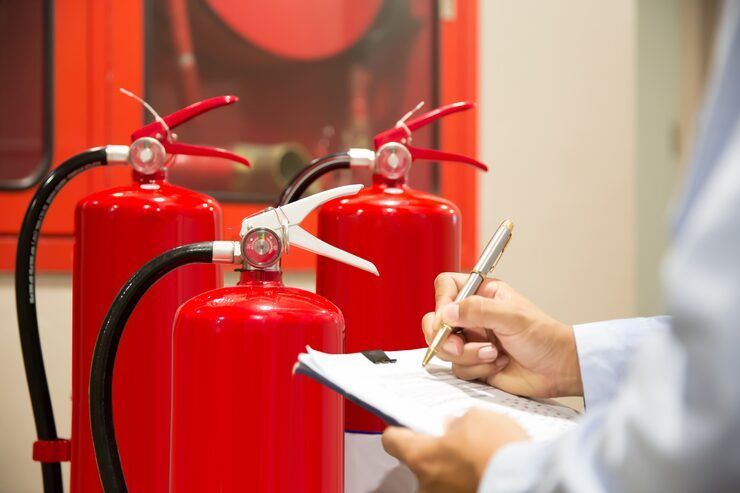
Having a fire extinguisher readily available and knowing how to use it can make a significant difference in mitigating the damage caused by a fire. However, not all fire extinguishers are suitable for every type of fire. Here's what you need to know:


1. Understand fire classifications: Fires are classified based on the materials fueling them. The most common classes are A (ordinary combustibles), B (flammable liquids), and C (electrical fires). Ensure you have the appropriate fire extinguisher for each type of fire in your home.

2. Select multi-purpose extinguishers: A multipurpose fire extinguisher that covers classes A, B, and C is ideal for homeowners, as it can be used on various types of fires.

3. Familiarize yourself with the PASS technique: PASS stands for Pull the pin, Aim at the base of the fire, Squeeze the lever, and Sweep from side to side. Practice using the PASS technique before a fire occurs, so you're prepared in an emergency.

4. Place fire extinguishers strategically: Keep fire extinguishers in easily accessible locations such as the kitchen, garage, and near bedrooms. Make sure all household members know where extinguishers are located and how to use them.


Electrical Safety Tips


Electrical fires can be extremely dangerous, as they often occur without warning and are difficult to extinguish. Reduce the risk of electrical fires in your home by following these safety tips:


1. Inspect wiring and outlets regularly: Look for frayed wires, loose connections, or cracked outlets. If you notice any issues, contact a qualified electrician for repairs.

2. Avoid overloading outlets: Overloading outlets can lead to overheating and fire. Use power strips with built-in circuit breakers or surge protectors to mitigate this risk.

3. Unplug appliances when not in use: Small appliances, such as toasters or hairdryers, should be unplugged when not in use to minimize the risk of electrical fires.

4. Exercise caution with extension cords: Only use extension cords as a temporary solution, and avoid running them under carpets or across doorways.


Creating an Effective Fire Escape Plan


Having a well-thought-out fire escape plan is crucial to ensuring everyone in your household knows how to react quickly and safely in the event of a fire. Consider these steps when developing your family's plan:


1. Map out your home: Create a detailed floor plan of your home, marking all doors and windows, as well as the location of smoke alarms and fire extinguishers.

2. Plan at least two escape routes: Identify at least two escape routes from every room, in case one is blocked by smoke or fire.

3. Establish a meeting place: Designate a safe outdoor location where your family will meet after evacuating the home.

4. Practice, practice, practice: Regular fire drills help reinforce escape routes and ensure every household member knows what to do in the event of a fire.


Conclusion


As a professional firefighting team, we understand the importance of fire safety and fire protection measures for homeowners. By implementing the tips and advice shared in this article, you can significantly reduce the risk of fires and ensure the safety and well-being of your loved ones. Remember that early detection, preparation, and education are the keys to effective fire protection. Don't hesitate to reach out to our expert team at Board of Fire Commissioners, Fire District 3, Township of Old Bridge for more information on fire protection services, incident response, and public education programs.


Firefighter holding a helmet
June 26, 2026
Fire dangers are a big risk to lives, business assets, and buildings. In New Jersey, stopping these dangers requires planning ahead with safety rules, regular equipment checks, and good escape plans. Getting certified fire safety services in NJ makes sure that homes and businesses follow the New Jersey State Uniform Fire Code. This helps stop bad accidents before they even start. This blog shows how finding hazards, fixing tools, and using local rules keep properties safe. It also highlights the important work done by local leaders, including the Board of Fire Commissioners, Old Bridge Fire District 3, Township of Old Bridge, to keep the neighborhood safe and ready. How Do Fire Safety Services NJ Identify and Mitigate Building Hazards? The first way to stop unexpected fire emergencies is to find hazards early through regular safety checks. Common Electrical and Material Risks Bad Electrical Setups: Inspectors check wire boxes and main plugs to make sure they are not overloaded, broken, or fixed incorrectly. Poor Storage of Flammable Items: Regular checks make sure that chemicals, gases, and dangerous items stay in safe boxes away from heat. Blocked Spaces: professionals check that hallways, utility doors, and tool rooms stay clear of trash so people can escape quickly. Following local safety laws sets a good baseline for every kind of property. Through strict Old Bridge fire code enforcement, fire safety experts check utility setups and building weak spots. Want to secure your home or local business for unexpected emergency risks? Contact Our Safety Experts Now What is the Role of Early Detection and Active Suppression Systems? Early alarms and fire tools act as non-stop, automatic shields that stop small fires from growing. High-Grade Suppression Technologies A certified fire protection company in New Jersey installs and services special fire tools. Automatic Fire Sprinklers: These water systems use heat triggers to put out small flames before they can spread across open floors. Advanced Clean-Agent Systems: For rooms with expensive computers and servers, special gases put out fires without using water. Kitchen Hood Systems: Built for big commercial kitchens, these special setups spray wet chemicals to quickly stop hot grease fires. Why is Structured Emergency and Evacuation Planning Critical? Good fire tools must work alongside clear escape plans to keep people safe during a crisis. In dark, smoke-filled rooms, clear paths stop panic and help people walk out in a calm way. Fire safety experts create specific building escape plans. Mapping the Best Escape Paths: Planning shows the shortest ways out of a building. These clear pathways prevent crowded exit doors during emergencies. Bright Exit Signs: Workers check every sign during regular building safety reviews. Strong backup batteries keep exit signs lit during power cuts. Emergency Lights: Strategic lights brighten up dangerous stairwells and hallways. Clear visibility allows people to walk safely through thick smoke. For big office buildings with many businesses or hospitals, special plans are needed. Safety teams set up custom steps, like moving high-risk areas out first. This is very important for medical centers where moving sick patients too fast could cause other health problems. How Do Drills and Training Improve Occupant Crisis Readiness? Safety tools are only useful if people know how to use them. Hands-on practice helps everyone act fast during an emergency instead of freezing up. On-site classes teach staff and residents basic fire safety. Using Fire Extinguishers: Workers learn the PASS method (Pull, Aim, Squeeze, Sweep) to handle the right extinguisher for electrical, chemical, or wood fires. Turning Off Utilities: Training makes sure that key professionals know how to turn off gas and power lines fast to prevent explosions. Clear Communication Plans: professionals get specific jobs, like floor guides, to direct people out and give clear updates to 911 dispatchers. Holding regular fire drills turns safety plans into everyday habits. By practicing fake emergencies, managers can check escape times and fix crowded exits. This regular practice makes sure that during a real crisis, everyone moves fast along the right paths to safety. What Structural Protocols Define Old Bridge Fire Inspections? Local rules are vital for keeping neighborhood safety standards aligned with state laws. Safety stays strong because of specific checks run by the fire department in Old Bridge, NJ. These local field checks prove that stores, apartment buildings, and public spaces follow New Jersey laws. During an official Old Bridge fire inspection, certified inspectors check fire doors and thick safety walls. This check makes sure that firewalls have not been broken by bad utility work, keeping them strong enough to trap flames in one room. Inspectors also check that water valves for sprinklers are locked open and that outside fire hydrants are not blocked by plants or cars. Also, steady fire code enforcement makes sure local businesses keep updated paperwork for all safety tools. This includes checking official tags on fire extinguishers and reviewing yearly service notes for kitchen hoods. Conclusion Stopping fire emergencies takes a mix of fast alarms, smart escape plans, and following safety laws. Working with a certified fire protection company in New Jersey helps owners protect their property and lower their business risks. Consequently, this collective safety framework ensures a safe environment for all occupants. Local fire districts manage these safety steps to keep area buildings aligned with state laws. For residents and business owners in NJ, the Board of Fire Commissioners, Old Bridge Fire District 3 , Township of Old Bridge, offers vital help with safety rules, building checks, and emergency response tools. Is your property fully compliant with the latest New Jersey safety laws? Schedule An Inspection Now FAQs What services are typically included in fire safety services in NJ? Comprehensive fire safety services in NJ include the professional setup and testing of smoke alarms and heat sensors. Furthermore, these companies handle the specialized maintenance of automated fire sprinkler systems. These services also cover kitchen hood safety tags, fire extinguisher checks, and clear building escape plans. For residents in Fire District 3, these key safety jobs are watched over by the Board of Fire Commissioners, Old Bridge Fire District 3, Township of Old Bridge , to ensure full compliance with the New Jersey State Uniform Fire Code. How often should commercial properties schedule fire safety inspections? Commercial buildings need professional fire safety inspections in NJ every single year. Local safety codes require this specific annual schedule. High-hazard factories or big event spaces require quarterly checks. These frequent safety visits manage dangerous building fire loads. We test your automatic building fire tools regularly. Our team updates your emergency backup exit lights. Regular upkeep ensures these life-saving systems work perfectly during crises. Why is fire code compliance important for New Jersey businesses? Following local safety laws avoids expensive fines and legal trouble. Regular Old Bridge fire code enforcement tracking prevents sudden business closures. Up-to-date commercial properties stop dangerous fires from spreading. Safe buildings protect valuable workers and customers from harm. Our team files your official safety compliance papers. This detailed tracking keeps property insurance policies valid. Proactive safety planning lowers long-term business risks. Can fire safety services help reduce emergency response risks? Choosing commercial fire safety services in NJ lowers critical emergency risks. Working building systems help first responders save lives. Early detection alarms send instant alerts to emergency dispatchers. This setup helps firefighters reach the scene right away. Small fires stay small under this system. Clear escape paths protect incoming rescue crews. Updated building maps show utility switches instantly. What are the most common fire hazards found during inspections? An official Old Bridge fire inspection frequently reveals blocked exit doors. Dark or unlit exit signs fail local safety checks. Inspectors find unserviced portable fire extinguishers daily. Extension cords used as permanent wires create shock risks. Overloaded power boxes cause massive building electrical failures. Piles of trash block key building utility rooms. Fixing these problems fast keeps property spaces safe.
fire prevention and code enforcement
June 16, 2026
Discover why fire prevention and code enforcement protect public safety, reduce local business hazards, and save lives through community programs.
fire safety services NJ
May 29, 2026
Learn why fire safety services in NJ matter for homes and businesses with the Board of Fire Commissioners, Old Bridge Fire District 3, Township of Old Bridge.
fire code enforcement in Old Bridge
May 22, 2026
Learn how the Board of Fire Commissioners, Old Bridge Fire District 3, Township of Old Bridge, improves safety through fire prevention & public education.
Fire Prevention
April 29, 2026
Learn about fire rescue services in Old Bridge Township from the Board of Fire Commissioners, Old Bridge Fire District 3, Township of Old Bridge.
Fire Department in Old Bridge, New Jersey
April 22, 2026
Learn all about fire emergency services, inspections, and community safety from the Fire Department in Old Bridge, New Jersey, in this guide.
fire code enforcement in Old Bridge
March 26, 2026
Read this guide to know more about fire code enforcement in Old Bridge. Discover key safety steps with Old Bridge Fire Department support. Check now.
Old Bridge Fire Department
March 25, 2026
Read this guide to learn how the Old Bridge fire department keeps the community safe. This guide helps discover key services and safety efforts.
Fire Safety
December 30, 2024
In this blog post, we learn essential fire safety tips for kids. Teach children how to react to smoke alarms, escape fires, and stay safe. Continue reading!
Fireproof
December 30, 2024
Discover simple steps to fireproof your room. Learn about hazards, materials, and safety tips to protect your space effectively. Continue reading to learn more!